Why Tallow Is Making a Comeback (Benefits for Cooking, Skin, and More)
Tallow is making a comeback as more people return to traditional, less processed fats for cooking and skincare. The benefits of tallow include heat stability, simple ingredients, and nourishing properties for both food and skin.
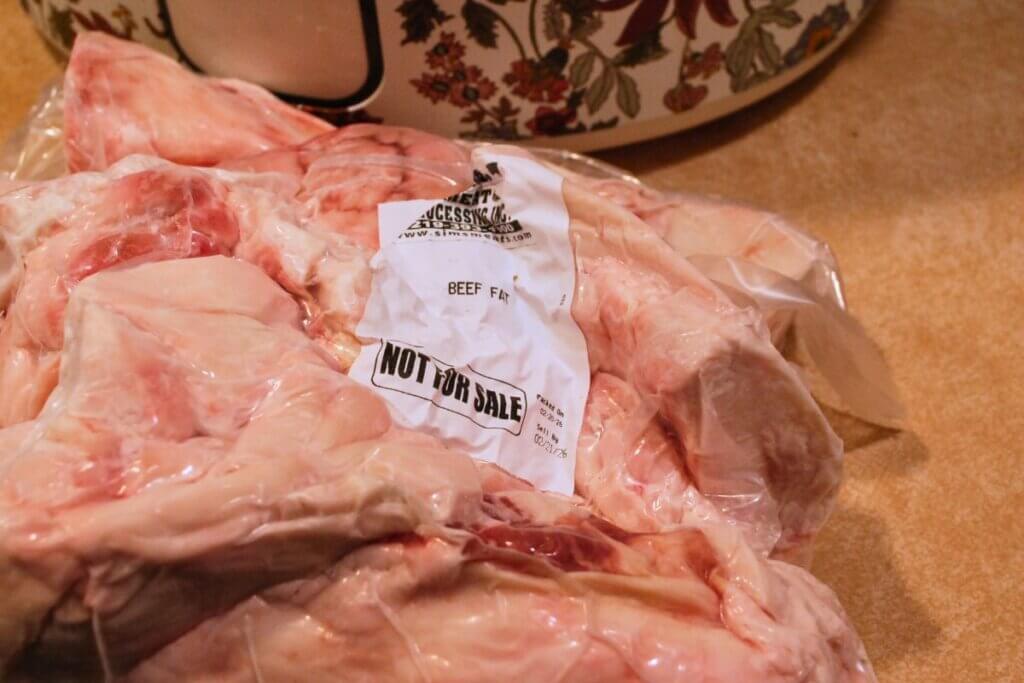
Tallow—once a kitchen and homestead staple—is finding its way back into modern homes. From nourishing meals to simple skincare, this traditional fat is valued again for its stability, versatility, and time-tested benefits—especially for those interested in growing and cooking more of their own food at home.
If you’ve been curious about using tallow, here’s a practical look at why it’s gaining popularity again and how it fits into everyday life.
A Brief Look at Traditional Use
Before modern vegetable oils became widely available, tallow was a common household essential. It was used for:
- Cooking and frying
- Making soap and candles
- Preserving foods
- Conditioning leather and tools
For generations, families relied on animal fats like tallow because they were accessible, shelf-stable, and multifunctional. Today’s renewed interest is less about novelty and more about returning to something practical and proven.
Nutritional Benefits of Tallow
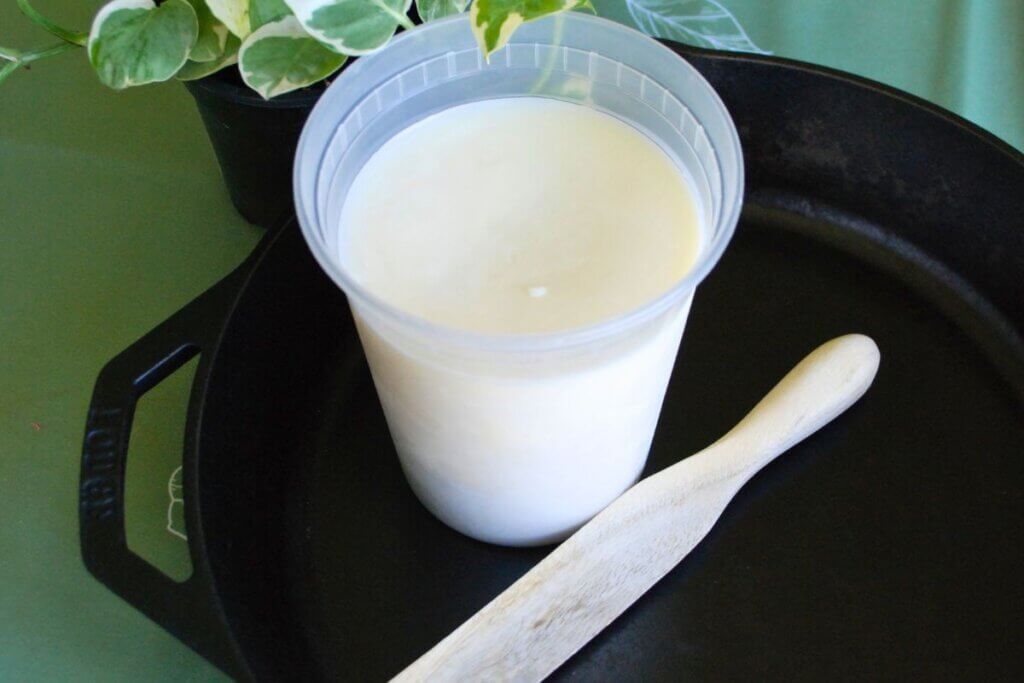
Tallow is primarily made of saturated and monounsaturated fats, making it a stable option for cooking at higher temperatures.
Key points:
- Heat stability: Less prone to oxidation compared to many processed oils
- Fat-soluble vitamins: Contains vitamins like A, D, E, and K (in small amounts)
- Energy-dense: A little goes a long way in cooking
Unlike highly processed seed oils, tallow does not require industrial extraction methods. It’s simply rendered from beef fat, making it a more traditional, minimally processed option. A total win!
Heat Stability & Oxidation
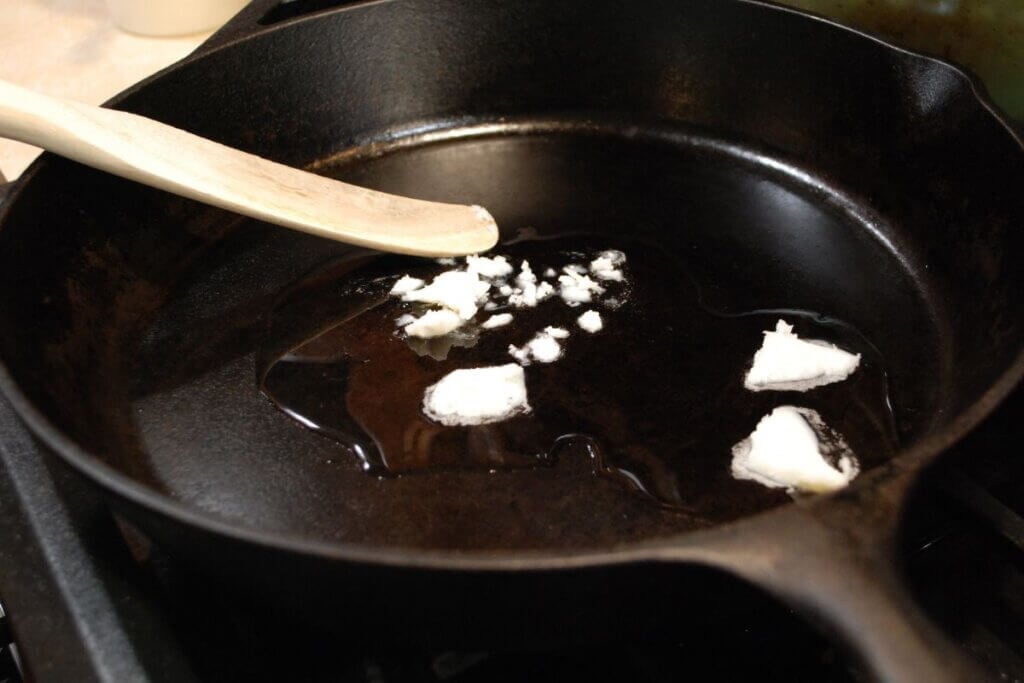
One of the biggest nutritional advantages of tallow is how it behaves under heat. I use tallow for all deep frying.
When fats are exposed to high temperatures, they can oxidize and form unwanted byproducts. Tallow’s structure makes it more resistant to this process.
Why this matters:
- Better suited for high-heat cooking (like frying or searing)
- Less likely to break down into harmful substances when you cook with it.
- Maintains flavor and integrity longer than many refined oils
This is one reason it was historically used for deep frying—long before modern oils were widely available.
Fat Composition: Why It Matters
Tallow is made up primarily of:
- Saturated fats (~40–50%)
- Monounsaturated fats (~40–50%)
- Small amounts of polyunsaturated fats
This balance is important because:
- Saturated fats are highly stable, meaning they don’t break down easily when heated
- Monounsaturated fats (the same type found in olive oil) are considered supportive of overall metabolic health
- Low polyunsaturated fat content means less risk of oxidation during cooking
In practical terms, this makes tallow a reliable fat for frying, roasting, and sautéing without the same concerns about breakdown at high temperatures.
Naturally Occurring Vitamins
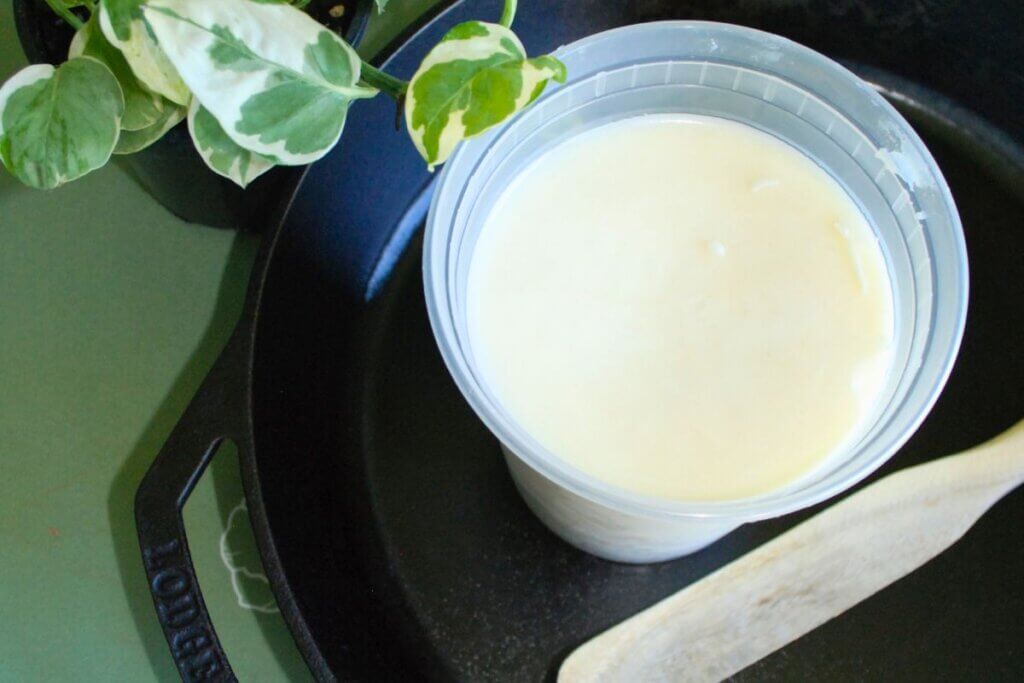
Tallow contains small amounts of fat-soluble vitamins, especially when sourced from pasture-raised animals:
- Vitamin A – supports skin, vision, and immune function
- Vitamin D – important for bone health and immune support
- Vitamin E – acts as an antioxidant
- Vitamin K (especially K2) – associated with bone and cardiovascular health
While tallow isn’t a primary source of these nutrients, it contributes to a nutrient-dense diet, especially when used alongside whole foods.
Supports Satiety and Stable Energy
Because tallow is a dense, natural fat, it helps:
- Keep you full longer
- Reduce frequent snacking
- Provide steady, sustained energy
Meals cooked with stable fats like tallow tend to be more satisfying, which can help support balanced eating patterns.
Tallow vs. Seed Oils
One of the biggest reasons for tallow’s resurgence is growing concern about highly refined vegetable oils.
Here’s how they differ:
Tallow:
- Minimally processed
- Naturally stable at high heat
- Traditionally used for generations
Seed Oils (like soybean, corn, canola):
- Highly processed and refined
- More prone to breaking down at high temperatures
- Widely used in packaged and restaurant foods
Many people are choosing to reduce their reliance on industrial oils and return to simpler fats they can understand and even make at home.
Skin Benefits of Tallow
Tallow isn’t just for the kitchen—it’s also widely used in natural skincare.
Why it works well on skin:
- Compatible with skin oils: Its composition is similar to the oils our skin naturally produces
- Deeply moisturizing: Helps support dry or cracked skin
- Simple ingredients: Often combined with beeswax or essential oils
Common uses include:
- Lip balm
- Body butter or lotion
- Hand salves
- Soap
For those wanting to simplify their skincare routine, tallow offers a straightforward, traditional alternative.
Why It’s Making a Comeback
Several trends are driving renewed interest in tallow:
- A shift toward traditional, whole-food living
- Increased awareness of ingredient sourcing and processing
- Interest in homesteading and self-sufficiency
- Desire for multi-purpose, low-waste products
Tallow fits naturally into all of these. It’s something you can make yourself, use in multiple ways, and store for long periods.
FAQ’s About Beef Tallow and it’s Benefits
Is beef tallow healthy to eat?
Tallow is a traditional fat made from beef that is minimally processed and stable for cooking. When used as part of a balanced, whole-food diet, many people prefer it over highly refined oils.
Is tallow better than seed oils?
Tallow is less processed and more stable at high heat, while many seed oils are refined and more prone to breaking down during cooking.
Can you use tallow on your skin?
Yes, tallow is commonly used in balms, soaps, and lip care because it closely resembles the skin’s natural oils and helps moisturize dry areas.
What does tallow taste like?
Tallow has a mild, slightly beefy flavor that becomes neutral when used in most cooking.
Final Thoughts
Tallow’s return isn’t a trend as much as it is a rediscovery. Whether you’re cooking from scratch, simplifying your skincare, or learning traditional skills, it offers a practical and time-tested option.
From the kitchen to the home, it’s one of those ingredients that quietly does a lot—and does it well.


