How to Prevent Squash Bugs Before They Take Over Your Garden
I learned about squash bugs the hard way.
One year, I carefully planted butternut squash in my garden beds, tended them like any other crop, and felt pretty proud of how healthy everything looked early on. Around the same time, I casually tossed a handful of pumpkin seeds into my compost pile — no plan, no expectations, just curiosity.
The compost squash grew so much and so well that I actually laughed!
Big leaves, fast vines, super happy plants. And then… the squash bugs showed up. Not a few. Not “keep an eye on it” levels. They took over. By the time I realized what was happening, the damage was already done. We were so upset.
That was the season I learned an important gardening lesson: squash bugs are much easier to prevent than to get rid of.
If you’ve ever lost zucchini, pumpkins, or winter squash seemingly overnight, this post is for you. Here’s what actually helps stop squash bugs before they become a problem — especially in spring.
Why Squash Bug Prevention Matters
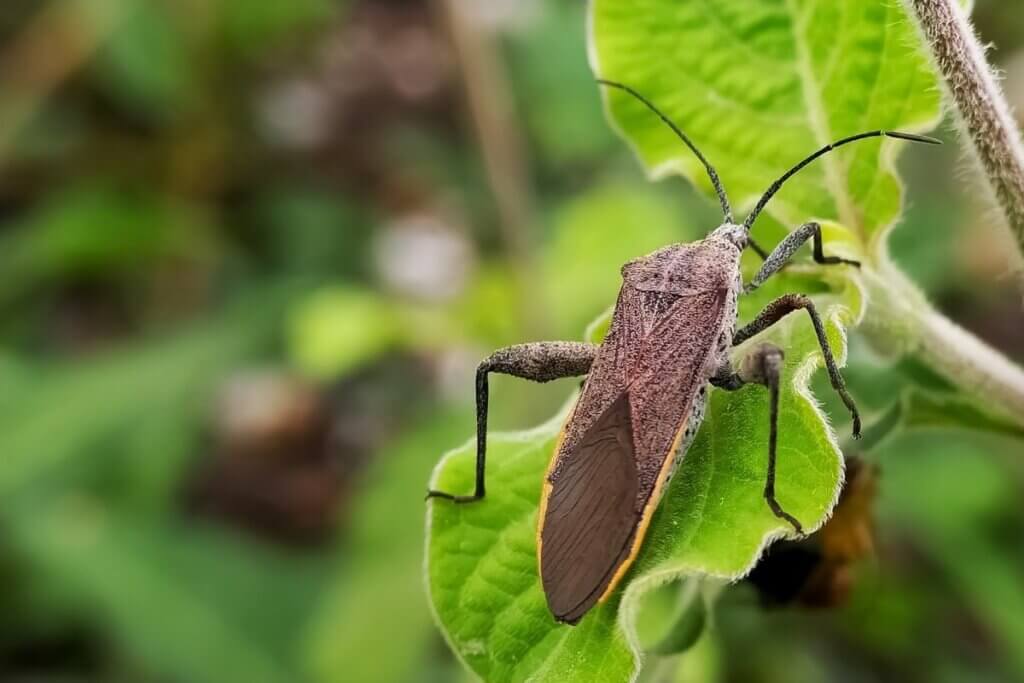
Squash bugs don’t slowly ease their way into your garden. They arrive early, settle in quietly, and multiply fast.
By the time most gardeners notice yellowing leaves or wilting vines, squash bugs have already laid eggs, hatched, and established themselves. Once they’re everywhere, even organic solutions feel like a losing battle.
Prevention isn’t complicated, but it does require paying attention before damage shows up.
A Quick Look at the Squash Bug Life Cycle (So You Know What You’re Up Against)
Squash bugs overwinter in garden debris — old vines, mulch piles, compost edges, boards, and tucked-away corners of the garden.
In late spring and early summer, they:
- Emerge from hiding
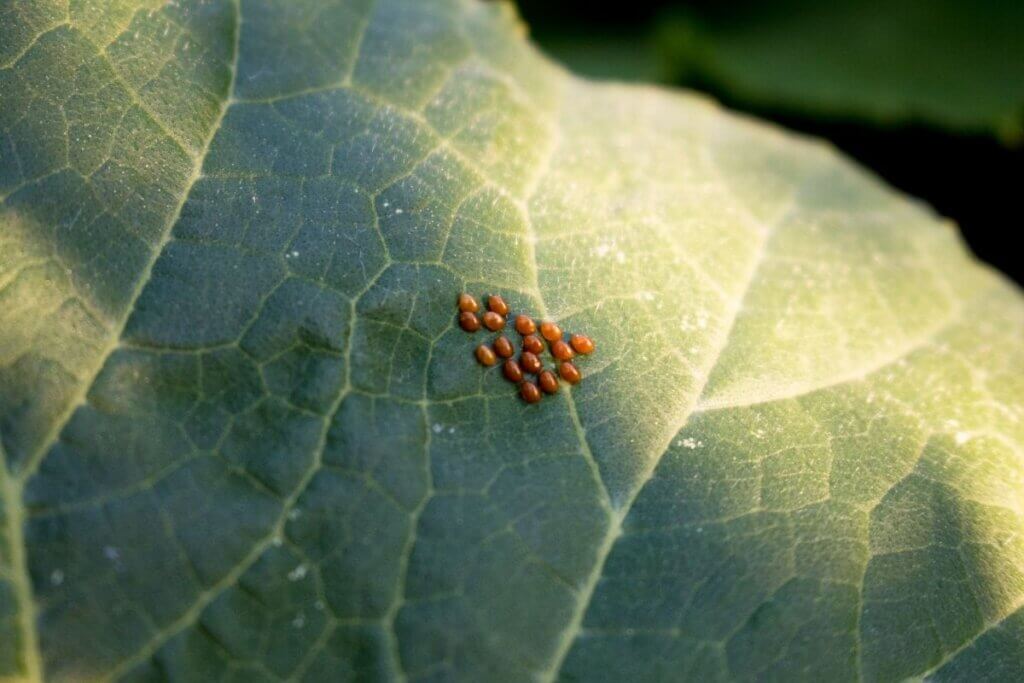
- Lay clusters of bronze-colored eggs on the undersides of squash leaves
- Hatch within days
- Begin feeding immediately
Miss one egg-laying cycle, and you’re suddenly dealing with dozens instead of a few.
Start With Garden Cleanup in Early Spring
This is the least exciting step — and one of the most effective.
Before planting squash:
- Remove last year’s vines completely
- Clear away boards, thick mulch, and garden debris near squash beds
- Avoid planting squash right next to compost piles if you’ve had squash bugs before
That compost squash I mentioned? It thrived — but it also gave squash bugs the perfect hidden home. Lesson learned.
Cleaning up your beds is also a great time to prep your soil for new plants. If you want tips on creating perfect growing spaces, check out my Beginner’s Guide to Raised Gardening Beds.

How Chickens Can Help Prevent Squash Bugs
One of the most helpful — and often overlooked — tools for squash bug prevention is chickens!
When allowed into the garden before planting, chickens do exactly what you want them to do: scratch, dig, and eat anything that moves. Squash bugs overwinter in soil, plant debris, and hidden corners, and chickens are excellent at finding those hiding spots long before bugs make their way onto your plants.
In early spring, I like to let the chickens work over garden beds that will later be planted with squash. They:
- Scratch through old mulch and debris
- Eat overwintering insects and eggs
- Expose pests that would otherwise stay hidden
This kind of natural cleanup helps reduce squash bug pressure before seeds ever go into the ground. Chickens won’t eliminate squash bugs entirely, but they absolutely help lower the starting population — and when it comes to squash bugs, starting with fewer makes everything easier.
How to Use Chickens Safely for Squash Bug Prevention
Using chickens in the garden does take a little planning, but it’s simple once you get the rhythm.
Here’s what works best:
- Let chickens into garden beds early in spring, before planting anything
- Allow them to scratch for a few hours to a few days, depending on bed size
- Focus on areas where squash was grown the previous year
- Rake beds smooth once chickens are finished
A few important cautions:
- Keep chickens out once seeds or transplants are in the ground
- Don’t rely on chickens during the growing season — they will damage plants
- Think of them as a pre-plant cleanup crew, not pest control later on
Even a short visit can make a noticeable difference in reducing overwintering squash bugs and other garden pests. If you’re just starting seeds indoors for spring planting, you might find my Seed-Starting Guide Using Egg Cartons helpful to get a head start before the garden is ready.

Be Intentional About Where You Plant Squash
Squash bugs remember where food was easy to find.
If possible:
- Rotate squash crops each year
- Avoid planting squash in the same spot as last season
- Keep squash beds a little distance from dense, undisturbed areas
Even small changes in planting location can disrupt their pattern. Planning your beds with rotation in mind can also help with other crops — for tips, check my Top 10 Easiest Vegetables for Beginners.
Use Row Covers Early (And Correctly)
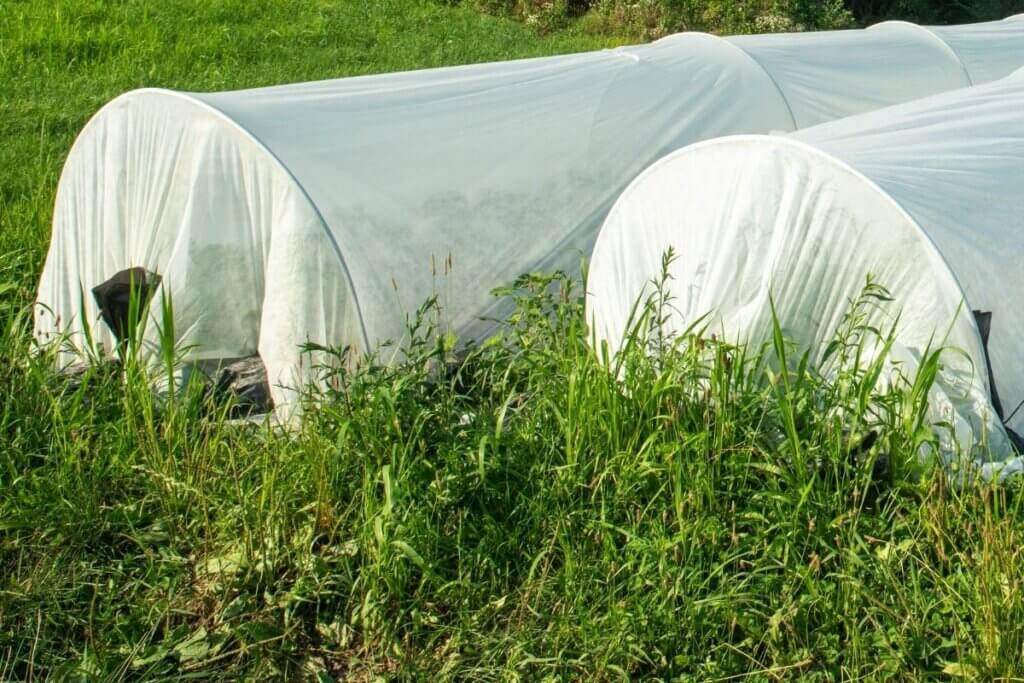
Row covers only work if they’re in place before squash bugs arrive — and timing is everything.
Squash bugs typically emerge in late spring, once the soil warms and nighttime temperatures stay consistently mild. This often lines up with:
- The same time gardeners are planting squash and zucchini
- A week or two after seedlings go into the ground
- Just before vines really start to take off
By the time you see adult squash bugs crawling around, they’re already looking for places to lay eggs.
For best results:
- Cover squash plants immediately after planting
- Use lightweight garden fabric
- Secure the edges well so bugs can’t crawl underneath
Keep row covers in place until:
- Plants begin flowering, and
- Pollinators need access to blooms
At that point, remove covers and switch to regular leaf checks. Using row covers early can completely prevent squash bugs from ever getting established during the most vulnerable stage of growth.

Check Plants Weekly — It Only Takes a Few Minutes
This habit alone could have saved my compost squash.
Once a week, flip over a few leaves and look for:
- Small clusters of copper-colored eggs
- Eggs arranged in neat groups along leaf veins
If you find them:
- Scrape them off with your fingernail
- Drop them into soapy water
Early removal keeps populations manageable. This is also a great way to include kids in gardening — for ideas, see my Gardening with Kids: Fun Ideas & Tips for Starting a Garden.

Companion Plants That Help (But Aren’t Magic)
Companion planting won’t eliminate squash bugs, but it can help discourage them when paired with other prevention steps.
Plants often grown alongside squash include:
- Nasturtiums
- Radishes
- Marigolds
Think of these as support players, not the entire strategy.

Mulch Choices Matter More Than You Think
Heavy, undisturbed mulch gives squash bugs excellent hiding places.
If you mulch:
- Keep it light near squash stems
- Pull mulch back slightly as plants grow
- Avoid thick layers early in the season
Straw or loose mulch is easier to manage than dense, matted material.
Use Boards as an Early Warning System
This is an old-fashioned trick that actually works.
Lay a flat board near your squash plants. Squash bugs often gather underneath overnight. In the morning, lift the board and check for bugs hiding beneath.
It’s a simple way to monitor without spraying anything.

Gentle Organic Options (Before an Infestation)
Organic treatments are most effective early.
Used preventively:
- Neem oil applied to the undersides of leaves
- Diatomaceous earth around plant bases (keep it dry)
Once squash bugs are everywhere, these methods struggle — which is why timing matters so much.
Common Mistakes That Invite Squash Bugs
These are easy to make — I’ve made most of them.
- Waiting until plants look unhealthy
- Ignoring the undersides of leaves
- Letting compost or debris sit too close to squash beds
- Assuming sprays alone will fix the problem
Squash bugs reward attention and punish neglect.
What I Do Differently Now
I still grow butternut squash. I still experiment. But I don’t toss squash seeds anywhere without a plan anymore.
Now I:
- Clean beds early
- Use chickens before planting
- Watch leaves closely
- Act before I see damage
And the difference is night and day. If you’re prepping beds, my Guide to Raised Gardening Beds is a great place to start.
Final Thoughts on Preventing Squash Bugs
Squash bugs don’t mean you’re a bad gardener. They mean you’re growing the plants they love.
With a little intention in spring — before they settle in — you can enjoy healthy squash without constant frustration. Prevention isn’t flashy, but it’s peaceful. And in the garden, peace is worth a lot.