How to Grow Calendula From Seed (A Beginner-Friendly Flower With Big Benefits)
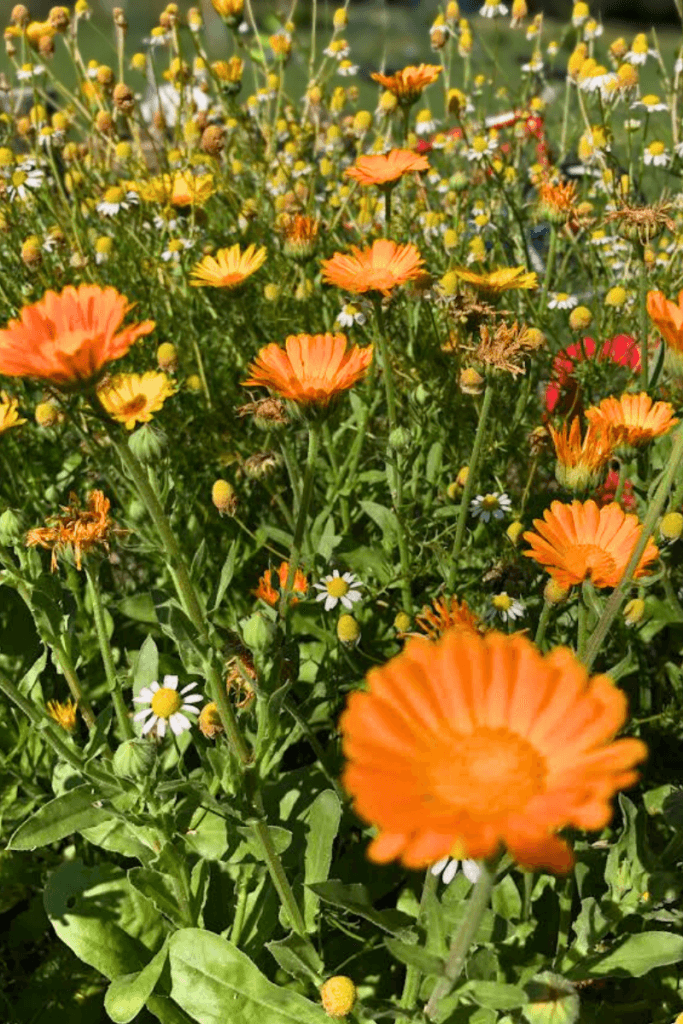
After I started making homemade tallow lotion, I knew I wanted to try growing calendula flowers so I could make my own skin-nourishing calendula oil. It felt like a natural next step—one small skill building on another.
What surprised me most was how confidence builds once you try something for the first time and succeed. Calendula was one of those wins. It’s forgiving, reliable, and incredibly rewarding, even if you’re new to gardening.
If you’ve ever wanted to grow something useful, beautiful, and easy, calendula is a wonderful place to start.
Why Calendula Is So Beginner-Friendly

I’ve had some successes and some failures when it comes to starting seeds. Calendula is not one of them. It’s one of the easiest flowers I’ve ever grown.
Here’s why it’s so approachable for beginners:
- Calendula seeds are large and easy to handle, germination is reliable, and the plants tolerate less-than-perfect conditions. Once they start blooming, calendula keeps producing flowers if you harvest regularly.
- Even if your garden experience is limited to a few raised beds or containers, calendula tends to thrive with minimal fuss.
If you’re just getting started with garden beds, you may find this helpful first:
→ Beginner’s Guide to Creating Raised Garden Beds
Direct Sowing vs. Starting Calendula Indoors

Calendula can be grown either way, but one method is clearly easier.
Direct sowing (recommended):
Calendula does very well when planted directly in the garden. Sow seeds after the danger of hard frost has passed, planting them about ¼–½ inch deep. Seeds usually sprout within 7–10 days. If you struggle with seed trays drying out or transplant shock, direct sowing removes a lot of frustration. It’s seriously so easy! And if you sow in early Spring, leave some seeds to dry out, it’ll sow itself in the Fall!
Starting indoors:
You can start calendula indoors 4–6 weeks before your last frost, but it isn’t necessary. If you do start indoors, use biodegradable pots if possible and transplant while plants are still small. Harden off gradually before moving them outside. They are absolutely stunning in pots!
For most home gardeners, direct sowing is simpler and just as successful. Save yourself the extra work and direct sow, friend.
Sun, Soil, and Spacing
Calendula isn’t picky, but it does have a few preferences. Don’t we all 😉
Calendula grows best in full sun, though it will tolerate partial shade, especially in hotter climates. Well-draining soil works best, but it doesn’t need rich soil and often grows happily in average garden beds. Space plants about 8–12 inches apart to allow for airflow, which helps prevent mildew and keeps plants healthier.
Calendula fits nicely into raised beds, cottage-style gardens, and even vegetable gardens. It’s so pretty!
Calendula Companion Planting
Calendula is more than just a pretty flower. It’s also a helpful companion plant.
It’s commonly planted near tomatoes, carrots, lettuce, and brassicas. Calendula helps attract pollinators and beneficial insects while adding color among vegetables, making it a great choice if you want your garden to be both practical and beautiful.
Harvesting Calendula Flowers

Once calendula starts blooming, regular harvesting encourages more flowers.
Pick flowers when they are fully open and harvest on a dry day after morning dew has evaporated. Snip or gently pinch the flower head from the stem. The more you harvest, the more the plant produces. Even a few plants can yield a surprising number of blossoms over the season!
Drying and Storing Calendula
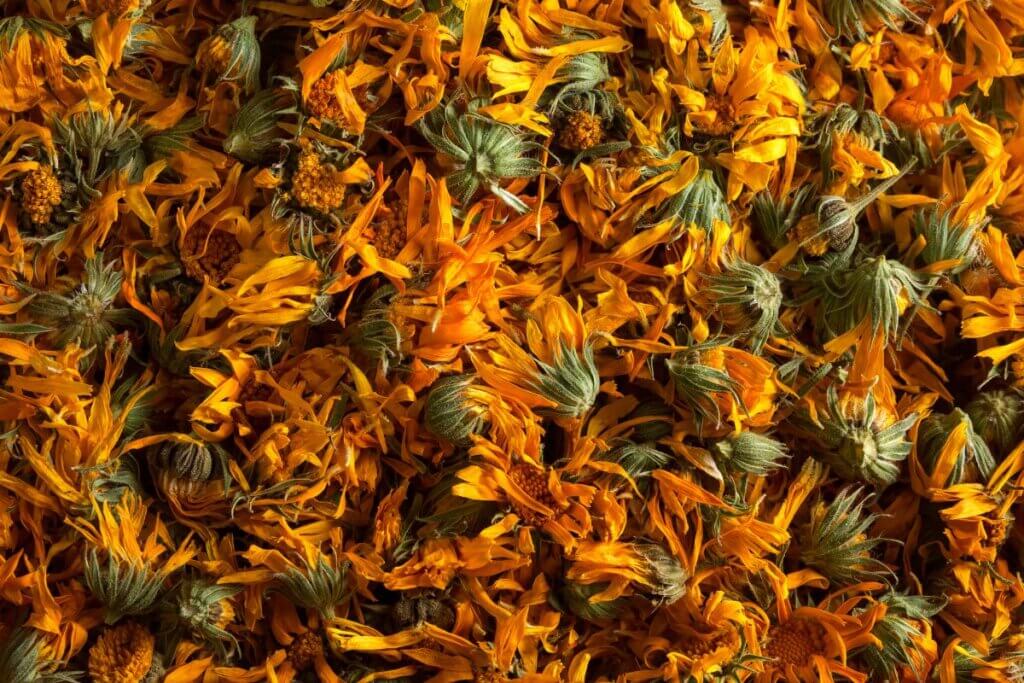
- Drying calendula properly is important if you plan to use it for infused oil or skincare.
- Lay flowers in a single layer on a screen or drying rack and place them in a warm, dry, well-ventilated area.
- Turn them occasionally. Flowers are ready when they feel completely dry and papery.
- Store dried calendula flowers in a glass jar, away from direct sunlight. For best quality, use within one year.
These dried flowers are what I use to make calendula-infused oil for skincare recipes. This process will be my next blog post! Sign up for my email list if you want to get that “how-to” sent right to your email!
Saving Calendula Seed
One of the best parts of growing calendula is how easy it is to save seed.
Allow some flowers to fully dry on the plant. The seeds will curl and darken as they mature. Once dry, gently pull the seeds from the flower head and store them in a labeled envelope or jar in a cool, dry place.
Calendula readily self-seeds, so you may even find volunteer plants popping up the following year.
Using Calendula for Skin Care

Calendula has a long history of being used in skin-soothing preparations. Once you’ve dried your flowers, you can infuse them into oil and use that oil in balms, salves, and lotions.
If you’d like to make your own, I walk through the entire process here:
→ Calendula-Infused Oil & Tallow Lotion Recipe
This is the same method I use in my own kitchen, and it’s a natural extension of growing the flowers yourself.
Even If You Don’t Grow Calendula Yourself…
Even if you don’t grow calendula yourself, you can still enjoy its benefits.
I make and sell a finished Calendula Tallow Lotion using high-quality ingredients for those who want the nourishing results without growing, drying, and infusing flowers at home.
→ Shop Calendula Tallow Lotion
It’s a simple option if your season is full, your garden space is limited, or you just want something ready to use.
A Flower That Grows With You
Calendula is one of those plants that grows with you—whether you’re brand new to gardening or slowly adding more homemade skills into your routine. From seed to flower to infused oil, it’s a gentle way to build confidence and create something truly useful with your hands.
If you’ve been thinking about trying something new in the garden, calendula is a beautiful and fun place to begin.


